Nowadays you are spoilt for choice: the range of professions and training courses is seemingly endless.
As you can see, this privilege is usually accompanied by excessive demands. What's more, the social media world shows you even more possibilities and paths. So many lives that you could lead are practically just one decision away. The sensory overload is almost paralysing.
Which job really suits you and the world?
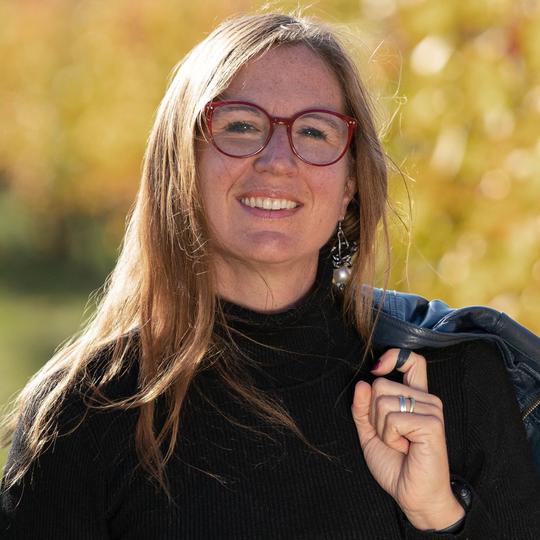
If you feel the same way, this article is for you. We spoke to life and social counsellor and mediator Angelika Iby-Pernecker about how to find your vocation after school or as an adult. She coaches in the area of career planning and also teaches in our Economics department. You can read the insights and impulses from the interview with the UAS graduate in the following article.
We can tell you right up front: we may provide you with good questions, but you can only find the answers to them within yourself. Not in the path that your friends or your parents see for you - but in your gut feeling alone. So feel inside yourself and dare to answer honestly.
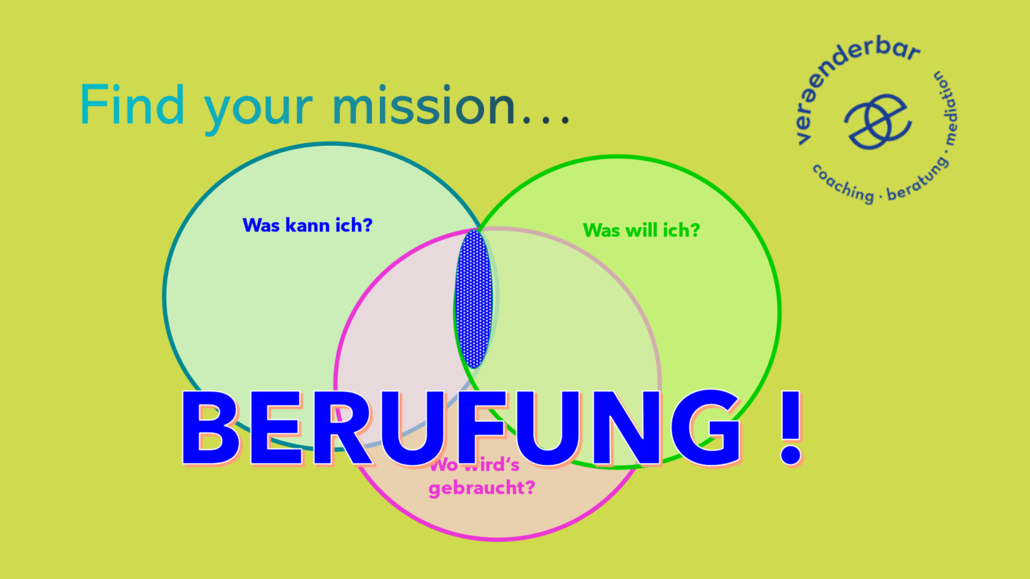
Counsellor Iby-Pernecker swears by the following method when it comes to personal vocation. You take three circles - you fill each of them with your abilities, desires, etc. - and where they overlap, that's where you find your vocation.
- 1st circle: What drives me? What is my goal in my professional life? What values do I represent? And what do I stand for?
"If you always wanted to be a doctor as a child, you should ask yourself the question later on: Is this what I want because of my medical background? Or do I want to be a person who people look up to and who helps other people? So much more exciting than the what is your why and your intention behind it."
- 2nd circle: What can I do? What are my skills?
"I'm not just talking about skills that can be attested with certificates and diplomas. Apart from that, we have a lot more skills: for example, I have two children and organise a family. This requires both good time and self-management skills." A little food for thought for your circle: Perhaps you are good at organising parties, are the go-to person for birthday presents for friends or have green fingers?
- 3rd circle: Where are both my career aspirations and my skills needed on the market or in companies?
"If you do a business apprenticeship, you can still decide in the end: Do I work for an NGO or a corporation?" Iby-Pernecker also has advice for those who can't decide between all the personal interests: "It doesn't always have to be'either or'. We often think too much in black and white, even though there is a wide range of shades of grey? With your education, your previous experience and your personal characteristics, you are a special mix that doesn't fit into any box." She cites herself as an example: While the FH graduate still works part-time in her previous job as a tax consultant and auditor, she uses the rest of her working hours for coaching, consulting, etc. She is good at both, and fulfils both in this form.