


Alumni, Projects, Stories
Students and lecturers on the Bachelor’s degree programme in Physiotherapy work together to organise a wide range of projects, visit healthcare and research institutions, attend conferences, undertake practical exercises and develop creative ideas for therapeutic practice, which they then put into action straight away. In this way, they gain and share valuable experience that provides them with the best possible preparation for their future careers.
You can find their stories and those of our outstanding graduates here and on our blog.
What does heat have to do with physiotherapy? A look at health in transition

Whether it's heat, allergies, new infectious diseases or psychological stress: The consequences of global warming are not only reflected in the headlines, but we also feel them on the way to university, in the office, during sport, in our homes - we feel them first hand. Climate change is not only reflected in extreme weather conditions, but also in physical complaints, reduced resilience, anxiety and sleep disorders. Where the consequences of climate change affect the body, physiotherapy can be a support in everyday life. It helps people to adapt to new environmental conditions, strengthen their physical resilience, reduce stress and maintain a good body image. This article aims to inform and at the same time encourage reflection: How does climate change affect our physical and mental health? And above all: what can we do about it?
Scorching heat, fluctuating circulation
Long, hot summer days are no longer a pleasure for many, but a real challenge. The body loses fluid through sweating, the blood vessels dilate and blood pressure drops. Tiredness, difficulty concentrating or dizziness are the result, right up to heat-related emergencies such as circulatory collapse or heatstroke.
Physiotherapists help here on several levels: Targeted training management ensures that exercise remains beneficial to health even at high temperatures. They pay attention to recovery phases, provide guidance on how to consciously deal with physical signals and teach strategies on how to protect yourself from overheating. An adapted daily rhythm, sufficient recovery phases or breathing techniques for regulation play a major role on hot days. Especially for older people or those with chronic illnesses, this support can be crucial to maintaining quality of life and well-being even in the heat.
New diseases, new challenges
With the warmer climate, species of mosquitoes and ticks that were previously virtually unknown in Europe are spreading. They transmit diseases such as West Nile virus or TBE. Even if they are rare, these infections can leave behind neurological complaints, muscle weakness or coordination disorders that have a lasting impact on quality of life.
In physiotherapy, the focus is on restoring motor skills. Therapists support recovery through individually tailored exercises, functional training and the promotion of independence. At the same time, prevention plays an increasingly important role: patients are sensitised, for example, to avoid breeding grounds in the home environment, to wear protective clothing when going out into the countryside or to the importance of early physical signs. Physiotherapy therefore has an impact far beyond acute treatment.

Air as an irritant: How environmental changes make breathing more difficult
We breathe around 20,000 times a day. Reason enough to pay attention to what we actually breathe in. Extended flowering phases, a higher concentration of pollen and pollutants in the air are leading to an increase in respiratory diseases. People with asthma, COPD or allergies are particularly affected. But air pollution can also lead to tiredness, headaches or a drop in performance in healthy people.
Physiotherapists work specifically with techniques that make breathing easier: breathing therapy, posture training, movement exercises with a focus on lung function and conscious body awareness help to relieve the airways. At the same time, they promote strategies for everyday life - correct ventilation, dosed physical exertion or adopting relieving body positions. This makes an active contribution to respiratory health, especially in hot, pollen-rich months.
Mental stress: when the climate also affects the soul
Not all the effects of climate change are visible. Many people experience diffuse anxiety, exhaustion or the feeling of being at the mercy of the situation - so-called climate anxiety. This can manifest itself physically: in the form of tension, sleep problems, inner restlessness or chronic pain.
Physiotherapy addresses such complaints with a holistic approach. Exercise, adapted to individual capabilities, has a proven stress-reducing and mood-enhancing effect. Targeted bodywork and self-awareness training not only activate the body, but also strengthen emotional stability. In this context, therapists are often important contact persons who provide support, motivation and a sense of security through regular encounters. In cooperation with other professional groups, comprehensive support can be provided.
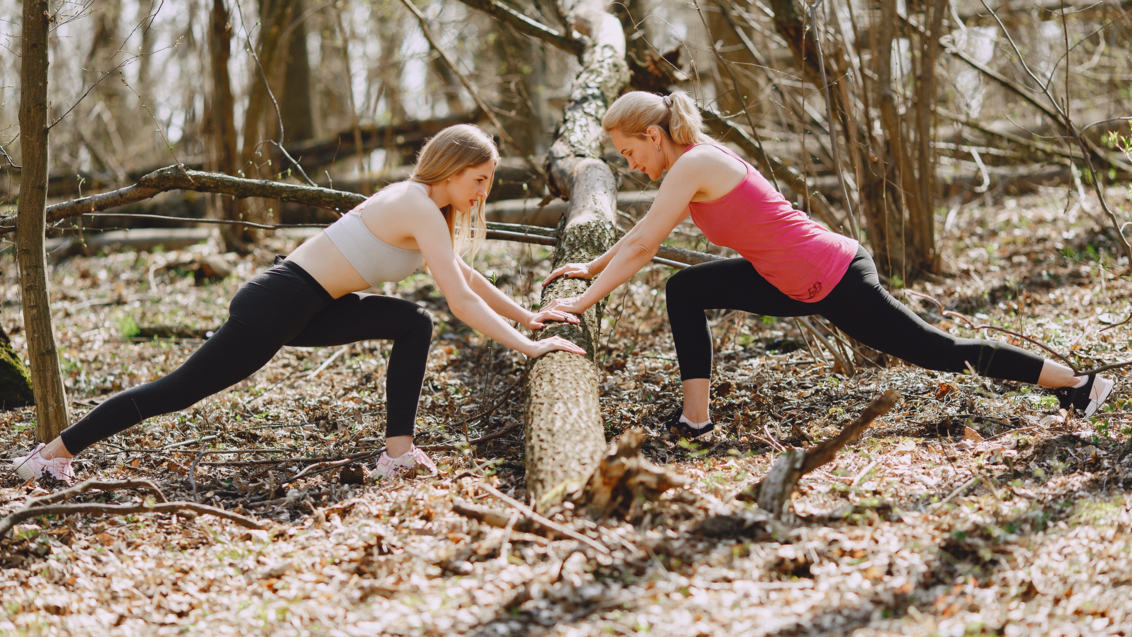
Physiotherapy in climate change: what we can contribute
The good news is that we are not powerless. Prevention, education and conscious decisions can help to mitigate the health consequences of climate change. These are often small steps with a big impact. Here are a few approaches that are encouraging and invite us to take action:
- Exercise, a balanced diet and self-care are essential foundations for physical and mental well-being. Instead of gaming on the PC, a walk in the fresh air gets the circulation going and reduces energy consumption at the same time.
- Travelling on foot or by bike improves health and reduces the impact on the climate. Instead of travelling by car, walking increases your stamina, reduces CO₂ emissions in everyday life and makes your heart beat faster in a positive way.
- Whether indoors or outdoors - spaces influence our health far more than we often realise. With well thought-out design, you can create places that promote well-being and protect the climate at the same time. Instead of spending time in stuffy or sealed areas, green indoor spaces and natural outdoor areas promote respiratory health, reduce heat stress and create quality of life.
- Feelings such as fear, helplessness or sadness are understandable and deserve attention and professional support. Exercise and nature can have a stabilising effect. Instead of withdrawing, a walk in the countryside can help, to reduce stress, lift your mood and strengthen your connection to nature.
- Healthcare professions can build bridges between scientific knowledge and everyday practice. Let's talk about it, provide information and encourage change. Instead of silently scrolling through the internet, a conversation about health and climate protection can motivate people to become active themselves and take the first step towards the future.
Conclusion: listen, feel, act
Climate change and health are inextricably linked. If you want to stay healthy, you have to adapt to the changing conditions. In a changing world, we need new ways to stay healthy and we need people to support us. Physiotherapists are such people - not only in the practice, but also in everyday life, on the street, in the neighbourhood. Health is more than the absence of illness. It is the ability to deal with change. And we can all do that - together.
Guest article: Szupper Marlene
# Gepostet in:
Gesundheit,
Tips for students,
Bachelorstudiengang Physiotherapie


